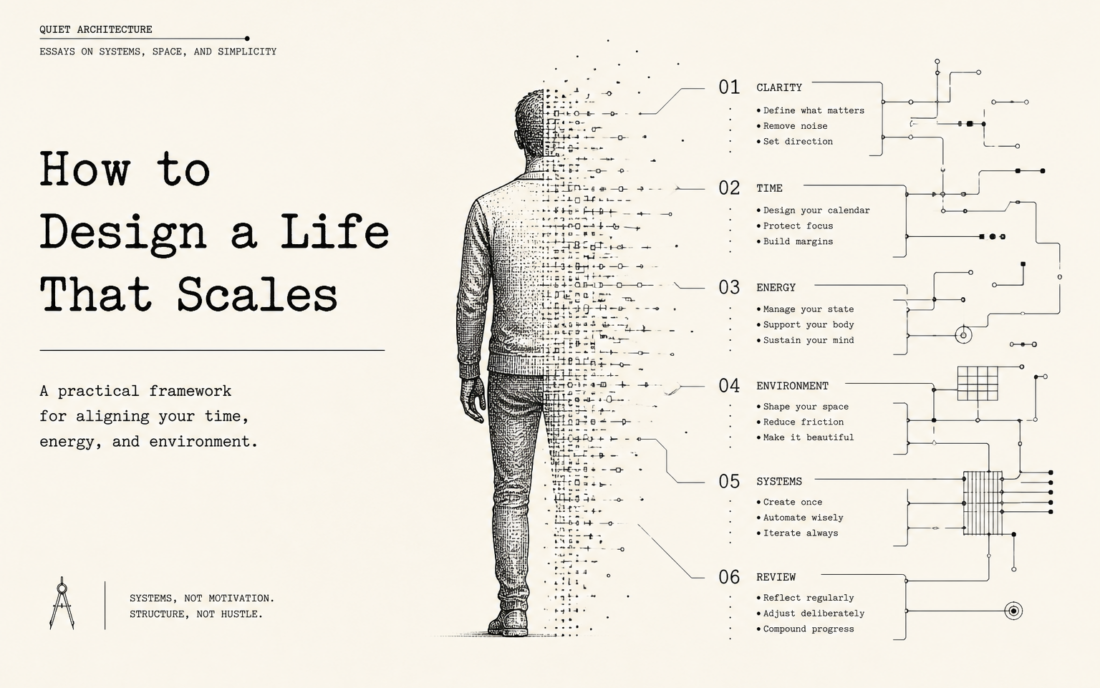
There was a time you could tell from someone’s email whether they were tired, angry, or had just had coffee. Now you mostly tell whether ChatGPT was on. The paragraphs are tidy. The bullet lists are sacred. There is always a short intro, three points, and a closing that says “in conclusion” as if we are handing in a thesis to a strict teacher who does not exist.
That is not an accident. People start doing things the way an AI presents them. Not because they decided this philosophically, but because it works. Your boss likes structure. Your LinkedIn post with three bullets gets likes. Your Jira ticket suddenly looks “professional”. And so the model’s output shape slowly drags your own thinking along with it.
The human becomes the machine. The machine, ironically, gets better at pretending to be human.
Structure as personality
Look around in Slack. Everyone starts sentences with “Important to note:”. Everyone has “context”, “approach” and “next steps”. Everyone ends friendly, neutral, and a little too smooth. As if we collectively wandered into a corporate meditation app.
The joke is: it feels productive. And sometimes it is. A messy thought becomes a readable note. A half idea becomes a proposal. But something disappears along the way. The odd association. The doubt. The sentence that ran long because you were actually thinking. What remains is often better-packaged work, with less real knowledge underneath.
You may deliver a tighter memo. You just no longer understand why that memo is right. Or worse: you no longer notice when it is wrong.
Dumber, with prettier slides
Here is the uncomfortable part. Heavy AI use does not automatically make people smarter. It often makes them more efficient. That is different. Efficient is your navigation app explaining the route. Smart is still knowing where north is when the battery dies.
If you let every analysis be prepared, every mail rewritten, every design decision “validated”, you are not training judgment. You are training a prompt reflex. You get excellent at asking a system that loves to answer. Less good at having answers yourself.
And yes: the deliverable can look better. Nicer text. Cleaner summaries. Fewer typos. Congratulations. You became a better printer.
What you can still do
Use AI. Seriously. I do too. Just do not let it steal your default sentences. Write messy first. Think crooked first. Know something first. Let the model tidy afterwards, not replace your brain with a neat template.
Because if we all sound like the same helpful assistant, soon nobody will be left who can explain anything hard without first saying “here is a structured overview”.
And that overview, dear colleague, used to be called an opinion.